
Your path to optimal health

Joint Care
Mobility • Stability • Health
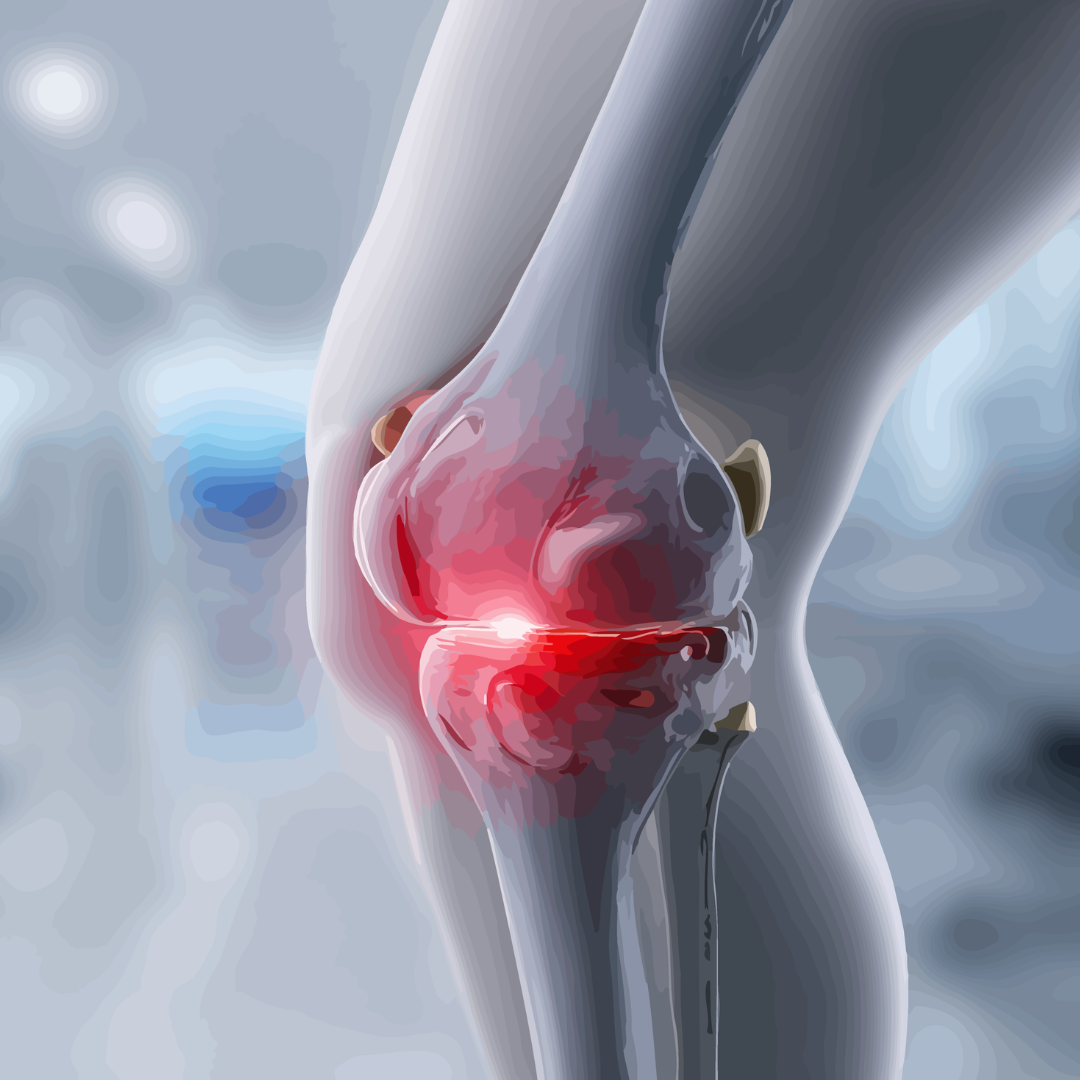
The bony skeleton provides the fundamental framework for all other tissues and organs in the body to align, move, and be protected. In order for this skeleton to be mobile in various directions we need bone to bone interfaces that are known as joints.
A joint occurs where two bone ends articulate or meet each other. The shape of these bone ends, and the crucial space between the two bones dictate the range of movement and how muscles attach to bones via tendons. Collectively these structures create movement, strength and stability. The push and pull created by muscle contraction move the bones and creates tension forces that strengthen the bones and keep the various cushioning and lubricating joint tissues healthy through the gliding, sliding forces that occur.
When injury, wear, tear, excessive friction, and other sources of inflammation occur within and around joint structures, predictable responses occur, regardless of the specific cause.
- Inflammation creates swelling as fluids and inflammatory mediators accumulate in the joint space
- Muscles respond with persistent contraction to immobilise the joint
- This makes movement difficult and painful, and also reduces crucial space between bone ends
- Less space creates more friction, and friction creates more inflammation
- The cycle persists, creating more pain
- To continue moving in some way so that we can function, we create compensatory movement patterns that kind of work in the short term, yet lead to further 'problems' when they become our normal way of moving.
What is happening in your joint and why it matters
The key to recovery and long-term joint health is knowing what exactly is happening in your joint, and how your body-mind has responded. When compensatory movement patterns have developed over time they feel ‘normal’, and we don’t realise we’re moving in a way that could be creating more harm and limiting recovery. It takes someone skilled in movement pattern observation to ‘see’ how you have learned to move and help you to feel where imbalances are, and what they feel like. Only then can you notice and choose to change the way you move in your body in a way that is pain free and supportive for long term health.
Yoga therapy can help you to experience pain free movement and optimal joint health:
- Understand the injury, or dis-ease process that’s happening in your joint(s)
- Identify dysfunctional movement patterns
- Change the way you move to support healing and long-term health
What’s involved?
A yoga therapy consult will typically involve:
- History taking - a little about your pain or injury journey so far
- Movement assessment - observing how you create movement in, and around your joints
- Physical assessment - hands-on assessment to evaluate muscle and other connective tissue tension forces and movement innervation)
- Manual therapy - hands on manipulation or tissue mobilisation to free up joint movement, and/or release muscle tension so that you can learn to move in a healthy way
- Home practice plan - together we explore a few movement repatterning and/or myofascial release practices that you can do at home for pain relief and movement rehabilitation. This creates a recovery toolbox of awareness, knowledge, skills, and self-care strategies that give you the agency to regain easeful movement and function.