
Your path to optimal health

Somatic inquiry
Feel • Sense • Be
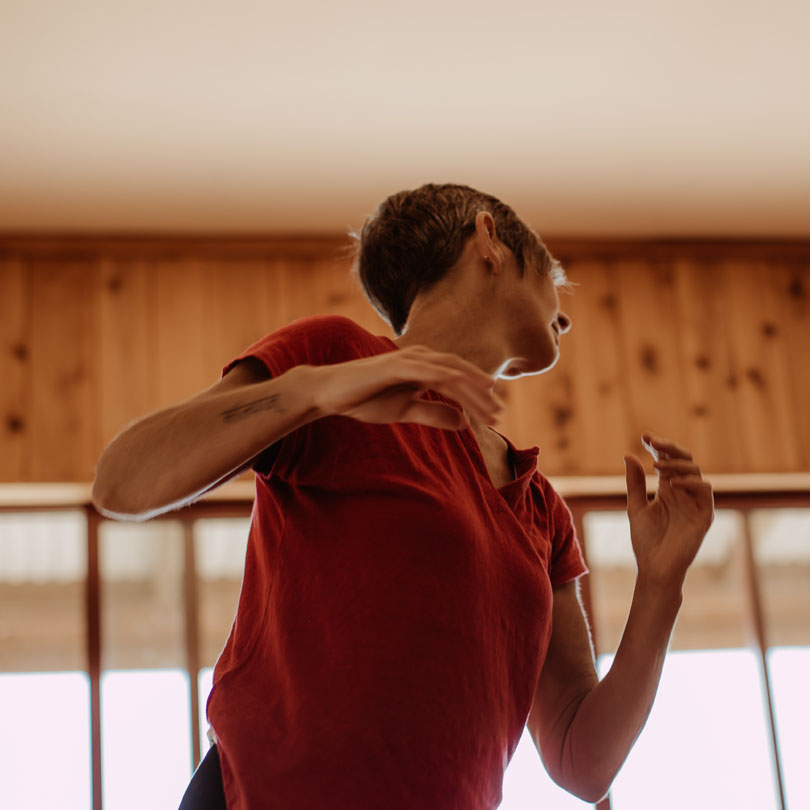
We constantly receive sensation-based messages, known as sensory input, from the physical body to the brain and consciously aware mental body, yet many signals go unnoticed, or can be misunderstood when we get caught in 'our heads' with thoughts and belief systems.
Somatic inquiry is a guided process that helps people to feel the sensations that are present in the thinking-feeling body (Soma). It's very common to need help to notice and stay attentive, or curious enough to where sensations arise to be able to acknowledge and describe the quality of their presence in conscious awareness. Feeling and sensing these messages from the physical body is a bottom-up approach, free of the filters or distortions that can come from the thinking, analytical mind. Through inquiry it's possible to feel, sense and understand these messages 'just as they are'. Herein lies the wisdom of the body-mind that serves to guide us through life's experiences.
- Every emotion has a particular sensation that is unique to you
- We only become aware of emotion, mind, and body states through this sensory input
- How we respond is dependent on the way we receive, process and interpret sensation-based input
- This is influenced by beliefs and learned ways of being
- Somatic inquiry guides us to feel sensations as a source of truth
- With somatic awareness we can find sources of support that are already present - just as we are.
Body centred awareness
Every experience we have is physically stored in the body – perhaps in a particular location, or throughout structures like fascia, or organs. We learn through these experiences, albeit on a largely sub-conscious level that is mediated by the nervous system(s). When we encounter similar experiences the nervous system responds accordingly – whether it’s a welcoming, hostile, protective, avoidance, or other response.
Somatic inquiry explores these connections by slowing down, noticing sensations (like tightness or tingling), and staying curious without judgment or analysis. This needs guidance as the thinking mind often takes over, filtering information, or distracting us to thoughts or beliefs that may be familiar, but not necessarily true in the here, and now.
Somatic inquiry can help with:
- Emotional relief, self-awareness and nervous system regulation
- Understanding why persistent and/or recurrent sensations keep coming back, despite other interventions like physiotherapy, massage, osteopathy e.t.c
- Relieving physical pain and restriction by understanding what these messages mean
- Understanding how and why particular body areas feel the way they do when injury or long-term health conditions are present
- Fostering trust in your body-mind, even when it feels like it’s letting you down.
What’s involved?
Somatic inquiry is a process used within yoga therapy consultations if it feels appropriate for therapist and client.
- We begin with establishing a comfortable, reclined position to allow the physical body to be supported
- The therapist guides a gentle body scan to notice each part of the body (soma) as it is present
- Open ended questions then guide awareness into noticing whatever physical sensations are most present, or curious
- Inquiry is directed to these physical sensations - like tension, warmth, pressure, sharpness, softness, quality of breathing, shapes, or colour to notice more of their qualities, and how they respond to awareness
- This helps us to drop out of overactive, analytical mind awareness into the wisdom of the living body
- By getting to know the sensations their intent becomes clearer.
- Guided exploration helps us to understand the what, and why that enables us to acknowledge whatever needs to be acknowledged and move beyond it.
- Physical and emotional pain can subside as our ways of responding to triggers, situations, or people make sense; we can better notice their presence as they arise, be with them with greater ease, see what they are, and feel our way to optimal health.
Based on your assessment Jane will either integrate somatic inquiry into other modalities or suggest iRest® as a specific somatic body-mind therapy to help with trauma, stress, or anxiety.