
Arthritis – your path to ease and longevity
Understanding what happens to joints in osteoarthritis can really help us to make sense of symptoms, triggers, and ways to find relief from this common, painful joint condition.
Osteo – bone
Arthritis – joint inflammation, pain, stiffness, reduced mobility
When these two terms are combined it means that the pain and inflammation felt in the joint is caused by degradation in the protective, cushioning structures within the joint – namely cartilage. Cartilage serves to absorb impact, protect bone surfaces, and create cushioned space between two bone ends – known as articulation points (where one bone meets another). This is different to Rheumatoid, and other forms of arthritis where joint inflammation tends to originate from auto-immune disorders. Whilst the pathology (disease process) below describes osteoarthritis, the cyclical inflammation responses and pain relieving movement principles below apply equally in inflammatory joint conditions.
With wear and tear, overuse, or repetitive impact / weight loading, cartilage can become thinner, less buoyant, or even wear away completely – leaving bone ends without protection from each other. This bone:bone contact can happen in particular directions of movement at the affected joint(s), creating inflammation in the joint as a result.
Osteoarthritis, or OA typically affects load bearing joints like hips, knees, ankles, the spine, and those with high repetitive use like hands and feet. Once cartilage is worn, it cannot regenerate in affected areas – no matter how much chondroitin or glucosamine you take.
Here’s the tricky cycle:
– limited space creates friction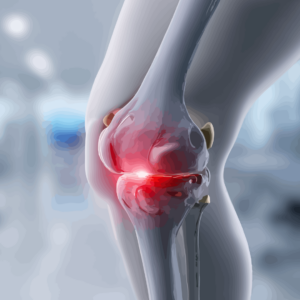
– friction creates inflammation
– inflammation creates swelling
– swelling further reduces space
– surrounding muscles spasm and contract to reduce movement
– muscle tension forces reduce movement potential AND further reduce space, bringing bone ends closer together
– these ‘tension forces’ create greater ‘compression force’ within the joint
– compression creates friction
– the cycle perpetuates…
…pain and restricted movement result
There is good news!
Whilst it may sound as though movement is bad for osteoarthritic joint inflammation pain – this assumption couldn’t be more wrong;
The key is finding the amount, and type of movement that is right for your body-mind each day
There are some fundamental movement principles that can aide movement and reduce friction to promote space in the affected joint(s) by honouring your distinct pathology and it’s impact on your body-mind and the way you’ve learned to move as a consequence of pain experiences.
This requires understanding what is going on in your joint(s) and where in specific ranges of movement you experience
i) tension forces that are amenable to movement-based release and/or manual therapy, and
ii) compression forces that need to be avoided to maintain the current health of the bone and cartilage condition and prevent further deterioration from friction and inflammation
From this place we can work in helpful ways to mobilise the joints without further harm, discouraging muscular spasm and tension build up, and easing the load through joint articulations.
This approach to movement – whether it’s passive (manual therapy), active (movement-based personal practices), or a combination of the two helps to reduce friction, thus relieving inflammation, swelling, and the cycle of painful inflammatory compensation that naturally occurs.
Making it work for you
Here’s where personal guidance from a health professional with experience and understanding in contemporary and alternative health care can really help you find confidence in what you do, how you do it, and why certain movements need to be moderated, or avoided for the health of your joint(s).
To book a consult with Jane click here
Suitable for new diagnoses, pain relief management, ongoing health management, pre-habilitation prior to joint replacement surgery, and post operative rehab.


